In the previous column, we explained the basic structure of IPM motors, the mechanism of torque generation, and the reasons they can achieve high efficiency. Based on the advantages such as high efficiency and high-power density, IPM motors are widely adopted as traction motors for electric mobility applications.
Although grouped under the term "IPM motors”, there are actually several different types depending on factors such as magnet arrangement and rotor structure. Each type has different characteristics and suitable applications. Understanding these structural differences and selecting the optimal motor for the intended purpose is essential.Columns and Blogs
Motor
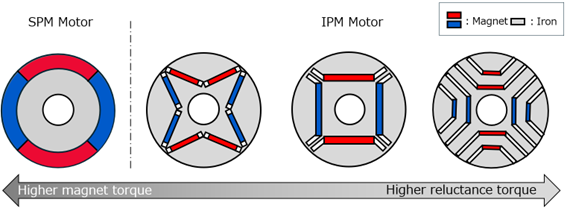
Figure 1. Differences in rotor structures of permanent magnet motors
In this column, we introduce the key points to consider when selecting an IPM motor for electric mobility traction applications.
1. Efficiency in the High-Speed Range
Motors that make greater use of magnet torque tend to have larger magnetic flux generated by the permanent magnets. As the rotor rotates, a voltage known as back electromotive force (back EMF) is generated. At higher rotational speeds, this generated voltage may exceed the battery supply voltage (Note).
Note:
This can be explained using a bicycle dynamo light as an example. When riding slowly, the light is dim, but as speed increases, the light becomes brighter. This is because the generator’s magnet rotates with the wheel, and the faster it rotates, the higher the generated voltage becomes.
When the generated voltage approaches or exceeds the supply voltage, the available voltage margin for inverter control becomes smaller, making motor current control more difficult. Therefore, in the high-speed operating range (Figure 2), field-weakening control is used to suppress magnetic flux through current control (Figure 3).
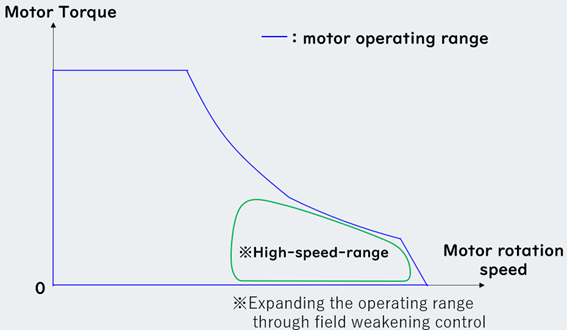
Figure 2. Image of the high-speed operating range on an N-T curve
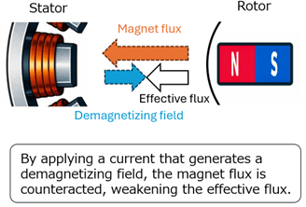
Figure 3. Conceptual image of field-weakening control
Field-weakening control generally tends to reduce efficiency. For this reason, it is important to select a motor with an appropriate magnetic flux level according to the required speed range and torque conditions, so that the most frequently used operating range is covered by the high-efficient area.
2. Impact on Thermal Design
Unlike induction motors, IPM motors do not generate secondary copper loss caused by rotor current (Figure 4), making it easier to suppress losses and heat generation. As a result, IPM motors are a strong candidate for applications requiring sealed structures or operating in dusty environments where cooling methods may be limited.
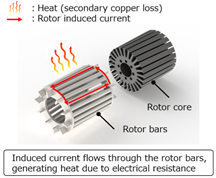 Figure 4. Image of heat generation in the rotor bars of an induction motor
In addition, IPM motors achieve high-power density by utilizing permanent magnets, contributing to more compact equipment designs. However, as motors become smaller, their thermal capacity—the amount of heat they can store—also decreases. Consequently, even relatively small heat generation may lead to rapid temperature rise depending on operating conditions. Therefore, applications involving high ambient temperatures or high load operation may require changes to the cooling method and overall thermal design.
To maintain existing equipment configurations and cooling systems, excessive motor downsizing for higher power density needs to be avoided. Instead, maintaining an appropriate motor size while balancing temperature rise is essential. Selecting a motor that effectively utilizes the iron core can help secure both reluctance torque and sufficient thermal capacity. This approach minimizes the impact on the existing thermal design while also achieving reduced magnet usage and higher efficiency.
3. Magnet Material Availability
Permanent magnet motors often use rare-earth magnets such as neodymium magnets. In recent years, in addition to price fluctuations, supply risks associated with magnet materials have become a significant social issue.
As a result, motor structures that use less permanent magnet and rely more on reluctance torque are becoming increasingly practical options. When selecting a motor, it is important to confirm the type of magnet material used—such as neodymium magnets or ferrite magnets—as well as the amount of magnet material required, to evaluate procurement risk and cost. Depending on the application, selecting products that use materials with lower supply risk, such as ferrite magnets, may also be effective.
4. Consideration for Irreversible Demagnetization
Permanent magnets may experience irreversible loss of magnetic strength depending on magnet temperature and reverse magnetic fields caused by current. Therefore, selecting a motor while considering the operating environment and operating conditions is extremely important.
Demagnetization characteristics vary depending on the magnet material. For example, ferrite magnets are more likely to experience irreversible demagnetization at low temperatures, while neodymium magnets are more likely to experience it at high temperatures. It is important to verify the allowable operating temperature and magnet specifications of the motor based on the expected ambient temperature and load conditions. Confirming sufficient operating margin under actual usage conditions can help reduce the risk of irreversible demagnetization.
5. Conclusion
IPM motors are widely adopted as traction motors for electric mobility applications because of their high efficiency and high-power density.
When selecting a traction motor, it is important to consider operating conditions such as required vehicle torque, rotational speed, and cooling conditions in order to choose a motor suitable for the vehicle’s operating characteristics.
In addition, procurement risk of magnet materials and consideration of irreversible demagnetization caused by overcurrent or temperature conditions are also important selection factors.
By properly understanding and effectively utilizing the characteristics of IPM motors, it is possible to contribute to higher vehicle efficiency and improved energy savings.